
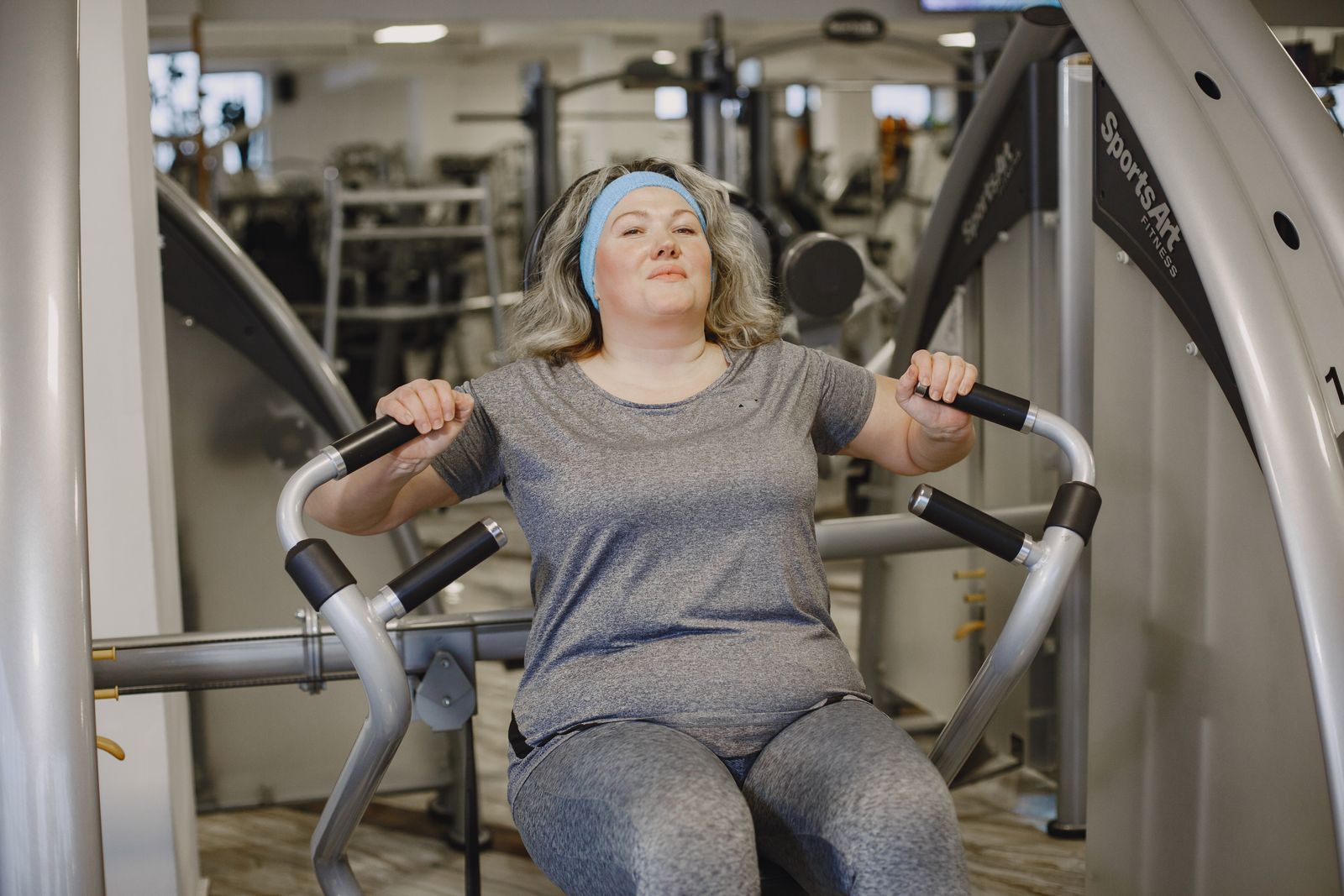
At 25, it was easy. You skipped dessert for two weeks, ran a few extra miles, and the jeans fit again. So at 43, you run the same play. You cut the carbs, lace up the running shoes, skip lunch when work gets busy, and step on the scale every single morning.
Three weeks later you’re tired, hungry, short with your kids, and the number has barely moved. You start to wonder if your body has simply stopped listening. It hasn’t. It’s playing by a different set of rules now, and once you know them, losing weight after 40 stops feeling like a rigged game.
Quick answer: Losing weight after 40 is harder mainly because muscle declines with age, sleep and stress make hunger harder to manage, and hormone changes push more fat toward the belly. Your metabolism itself stays fairly stable until about 60. What works: strength training, enough protein, daily walking, better sleep, and a moderate, sustainable calorie deficit.
Key Takeaways
- Your metabolism probably isn’t broken. A large 2021 study found energy expenditure stays stable from about age 20 to 60 after adjusting for body size.
- Muscle loss is a bigger factor. You can lose as much as 3% to 5% of your muscle per decade after 30, and strength training is the best counter.
- Falling estrogen around menopause and a gradual testosterone decline can shift fat toward the abdomen.
- Short sleep and chronic stress make hunger louder, so they belong in your weight-loss plan.
- The crash tactics that worked at 25 often backfire after 40. Strength, protein, walking and patience win.
Is it harder to lose weight after 40?
For a lot of people, yes, but probably not for the reason you’ve been told. The usual explanation is that your metabolism falls off a cliff at 40. The real story is less dramatic and more useful: several slow changes stack up at the same time, right when life gets busiest.
Think about what your 40s often look like. More responsibility at work. Kids, aging parents, or both. Less sleep, more sitting, more stress snacking at 9 p.m. Layer gradual muscle loss and shifting hormones on top of that, and the same plan that worked at 25 simply has less to work with.
Does your metabolism really slow down after 40?
Not as much as you’d think. In a 2021 study published in Science, researchers analyzed energy expenditure in people from 8 days to 95 years old. After adjusting for body size and composition, they found that energy expenditure stayed stable from about age 20 to 60 and only began to decline after that, by roughly 0.7% a year in older adults.
So if you’re 43 and burning fewer calories than you did at 25, the likely culprits are less muscle and less daily movement, not a metabolism that switched off on your birthday. That’s genuinely good news, because you can change both.
Why does muscle matter so much for losing weight after 40?
Muscle helps you lift, climb, carry and stay steady, and it uses energy even when you’re resting. Harvard Health notes that after age 30 you can lose as much as 3% to 5% of your muscle per decade, and it calls progressive resistance training the best way to build muscle mass, no matter your age.
This is where the 25-year-old playbook backfires. Skipping meals and logging endless cardio with no strength work can mean losing muscle along with fat. The scale might dip for a while, but you end up weaker, hungrier and more tired, and the whole plan gets harder to keep.
Strength training basics after 40
- Train two or three days a week, working all your major muscle groups.
- Choose 8 to 10 exercises, like squats or leg press, rows, presses, hip hinges and loaded carries.
- Aim for about 12 to 15 reps with a weight that feels challenging by the last few.
- Add a little weight or a few reps over time. That steady progression is what keeps muscle coming back.
How do hormones affect weight after 40?
Hormones don’t make weight loss impossible. They do change the terrain.
For women: perimenopause and menopause
As estrogen declines in the years around menopause, fat storage can shift from the hips and thighs toward the abdomen. Cleveland Clinic explains that menopause symptoms like night sweats can also disrupt sleep, which affects the hormones that drive hunger, and that stress raises cortisol, which has been associated with deeper belly fat. Its advice will sound familiar: regular cardio, strength training, protecting sleep, and talking with your provider about symptoms that keep you up at night.
For men: a slow testosterone decline
Men see a gentler shift. Cleveland Clinic says testosterone levels naturally decline by about 1% a year starting in the late 30s. Lower testosterone is linked to less muscle mass and strength and more body fat, which is one more reason strength training matters.
If something feels bigger than normal aging, like extreme fatigue, sudden weight changes or big mood shifts, see your doctor. Thyroid problems, depression and certain medications can all affect weight too.
How do sleep and stress affect weight loss after 40?
This is the part almost every crash plan ignores. When you’re short on sleep, your hunger gets louder. The Sleep Foundation explains that sleep loss may raise ghrelin, the hormone that drives hunger, and lower leptin, the one that helps you feel full. Sleep-deprived people also tend to reach for high-calorie, high-carb foods, and more hours awake simply means more chances to eat.
Stress piles on. It drains the energy you need to cook, plan and train, and it makes the 9 p.m. pantry visit feel like the only good part of the day. That isn’t a willpower problem. It’s a load problem.
So protecting your sleep is part of losing weight after 40, not a bonus. Start by learning how much sleep you actually need. And if your job is the biggest stress source, these ideas for reducing stress from work deserve as much attention as your meal plan.
What actually works for losing weight after 40?
Here’s the shift, side by side:
| What worked at 25 | What works better after 40 |
|---|---|
| Skipping meals | Regular meals built around protein and fiber |
| Hours of cardio | Strength training 2–3 days a week, plus daily walking |
| Crash diets | A moderate calorie deficit you can live with |
| Running on five hours of sleep | Protecting sleep like an appointment |
| Daily weigh-ins and panic | Tracking strength, energy, waist and weekly trends |
| All or nothing | Consistent and good enough |
Eat enough protein
Protein gives your muscles the raw material to rebuild after strength training. Harvard Health notes that older adults who do resistance training may need about 1 to 1.3 grams of protein per kilogram of body weight per day, so ask your doctor or a dietitian what fits you. Spreading it across the day is easier than cramming it into dinner, and these high protein breakfast ideas are an easy place to start.
Walk more than you think you need to
Walking is one of the most underrated tools after 40. It’s gentle on joints, it adds to your daily energy burn, and it slots into a busy life almost anywhere. Here’s how to make walking for weight loss actually count.
Give it time
Slow, steady loss that protects muscle is the goal. Judge your progress over months, not days, and watch for the wins the scale can’t see: stronger lifts, deeper sleep, looser waistbands, steadier energy at 3 p.m.
Make it fit your life: what does a realistic week look like after 40?
You don’t need two hours a day. You need a week that survives real life. Here’s one example:
| Day | Movement | Small habit |
|---|---|---|
| Monday | 30-minute full-body strength | Protein at breakfast |
| Tuesday | 30-minute brisk walk | Lights out 30 minutes earlier |
| Wednesday | 30-minute full-body strength | Plan dinners for the rest of the week |
| Thursday | Walk plus 10 minutes of mobility | Take a real lunch break |
| Friday | 30-minute full-body strength | One unhurried meal you enjoy |
| Saturday | Longer walk, hike or bike ride with family | Prep a few easy proteins |
| Sunday | Rest or gentle stretching | Check in on energy, sleep and strength |
If three strength days won’t fit, do two. If a 30-minute walk won’t fit, do three 10-minute walks. The plan should flex with your life, because the plan you can keep beats the plan that looks impressive on paper.
If the hardest part is walking into a gym after years away, start with our guide to gym anxiety. And if you want to know what the next few months will feel like, here’s an honest map of your fitness journey, from the awkward first week to the day it clicks.
Frequently Asked Questions
Is it harder to lose weight after 40?
It can be, mostly because of gradual muscle loss, less daily movement, poorer sleep, more stress, and hormone changes that shift fat toward the belly. Research suggests metabolism itself stays fairly stable between about 20 and 60, so those other factors are where you have the most leverage.
What is the best exercise for losing weight after 40?
The strongest plan combines strength training two or three days a week with regular walking or other moderate cardio. Strength training matters most because muscle naturally declines with age, and muscle is tissue that uses energy even at rest.
How much protein do I need after 40 to lose weight?
Needs vary with body size, activity and health. Harvard Health notes that older adults who do resistance training may need about 1 to 1.3 grams of protein per kilogram of body weight daily. Ask your doctor or a registered dietitian what’s right for you, especially if you have kidney disease.
Does menopause cause weight gain?
Hormones are part of the story, not all of it. As estrogen declines, fat tends to shift toward the abdomen, while muscle loss, disrupted sleep and stress also play a role. Strength training, regular activity and better sleep can all help.
How long does it take to lose weight after 40?
It depends on where you start, your health and your habits, so be wary of anyone promising a fast timeline. Aim for slow, steady progress that protects muscle, and judge your results over months, including non-scale wins like strength, energy and sleep.
Go back to those three weeks: the skipped lunches, the punishing runs, the scale that wouldn’t budge. Your body wasn’t ignoring you. It was asking for something different. More muscle. More sleep. More food at the right times. And a lot less punishment.
Losing weight after 40 isn’t about fighting your body harder. It’s about working with the body you have now. If you want a plan that bends when life does, H Klub Fitness coaching is built for exactly that.
The scenes in this story are a composite of experiences many people describe, not one specific person.
This article is for general education and isn’t medical advice. Talk with your doctor before starting a new exercise, nutrition, or mental-health plan.