
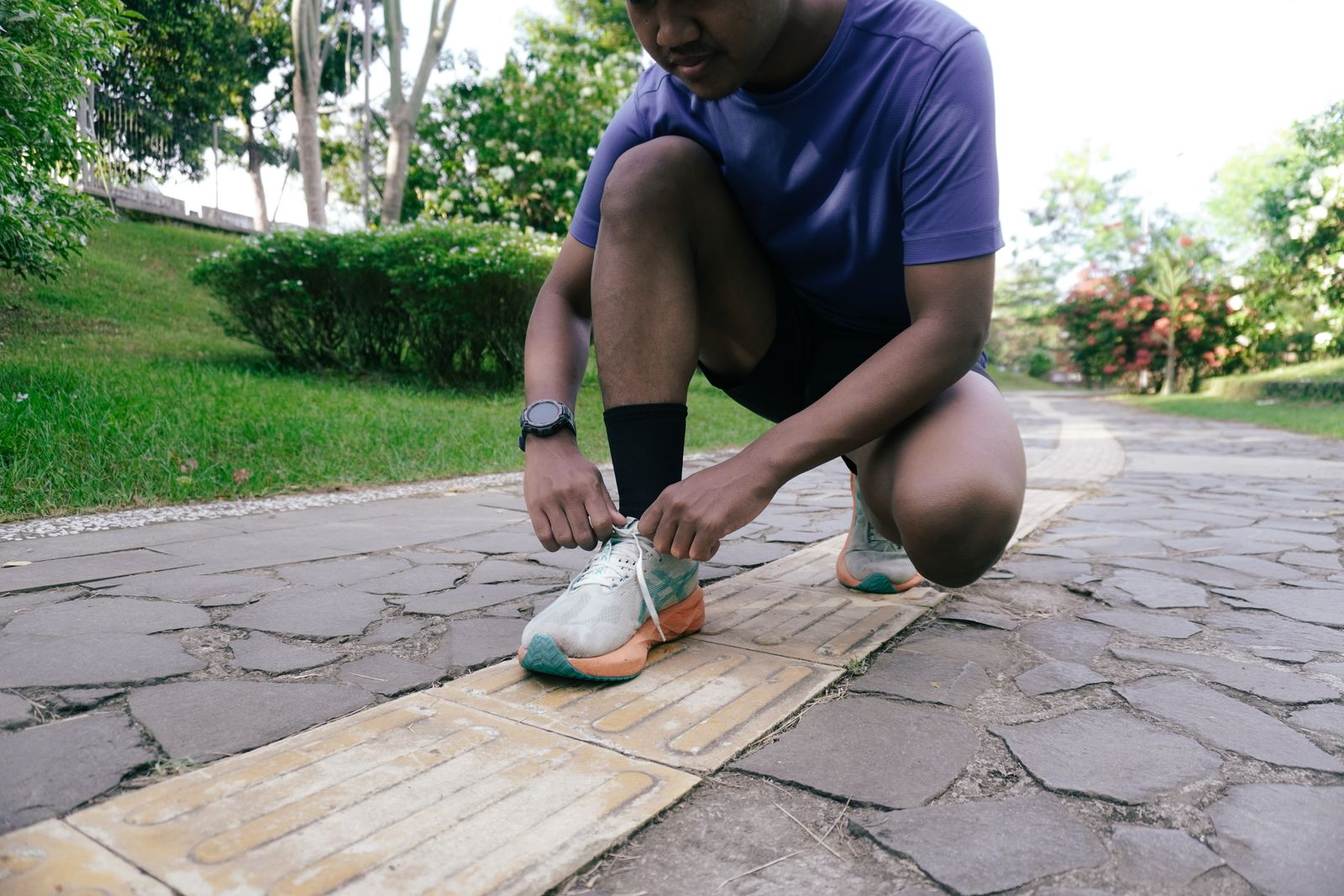
It’s 5:47 a.m. The alarm is doing its job. You are not. Out in the driveway, a gym bag you packed with real optimism back in the spring is still sitting in the trunk, a water bottle rolling around inside it and a pair of shoes that haven’t seen a floor in months.
You want to move again. You miss how you used to feel: the energy, the clear head, the quiet pride of keeping a promise to yourself. But the gap between where you were and where you are feels so wide that just thinking about it makes you tired. So let’s make that gap smaller. A lot smaller.
Quick answer: Start smaller than you think you need to. Do two or three easy 15 to 30 minute sessions a week, mixing walking or light cardio with a few simple strength moves at a pace where you can still talk. Every week or two, add just one thing (minutes, weight, or a day) and plan your rest days on purpose.
Key Takeaways
- Your first job is showing up, not making up for lost time.
- Start with two or three short sessions a week at an effort where you could still chat.
- Increase only one thing at a time: minutes, weight, or number of days.
- Some movement is better than none, and short sessions count toward your weekly total.
- Missing a day doesn’t erase your progress. Coming back quickly is the whole skill.
Why is it so hard to get back into working out?
Here’s the honest truth: the hardest part of restarting usually isn’t your muscles. It’s the story in your head. You remember the version of you who ran three miles without thinking about it, or who knew her way around the squat rack, and every workout today gets graded against that person. Of course it feels bad.
Add a schedule that has changed since then (a new job, a new baby, a parent who needs you, a season of stress that never quite ended) and the old routine simply doesn’t fit anymore. That isn’t a willpower problem. It’s a design problem. And design problems can be fixed.
So give yourself permission to begin again as a beginner. Not because you’ve lost everything, but because beginners get to start easy, and starting easy is what makes coming back stick.
How do I start working out again after a long break?
Step 1: Check in with your body first
If you’ve been inactive for a while, or you’re managing a condition like heart disease, arthritis, or diabetes, the CDC suggests talking with your doctor before jumping into vigorous activity. Moderate activity like brisk walking is safe for most people, and a quick conversation can clear you to move with confidence instead of worry.
Step 2: Pick a workout so small it feels almost silly
Your restart workout should feel a little too easy. Fifteen to twenty minutes. A walk and a handful of strength moves. The goal of the first two weeks is not fitness. It’s proof. Proof that you can show up, finish, and feel good enough to want to do it again.
Step 3: Put it on the calendar like a real appointment
Choose two or three specific days and times for the next two weeks and write them down. “I’ll work out when I find time” rarely survives a busy week. “Tuesday and Thursday at 6:15 a.m., Saturday after breakfast” usually does.
Step 4: Use the talk test for effort
For the first few weeks, keep most of your effort at a level where you can talk in full sentences but wouldn’t want to sing. That’s moderate intensity. It builds your base without leaving you so wrecked that the next workout feels impossible.
Step 5: Plan your rest days on purpose
Rest is part of the plan, not a break from it. On off days, take a short walk, stretch, or try an active recovery day to help sore muscles loosen up while keeping the habit warm.
What should my first workout back look like?
Here’s a simple 20-minute session you can do at home, in a park, or in the corner of a gym. No equipment required beyond a sturdy chair and a backpack.
- Warm up (5 minutes): walk or march in place, roll your shoulders, swing your arms, and do a few gentle hip circles.
- Sit-to-stand squats (8 to 10): stand up from a chair and sit back down with control.
- Counter push-ups (6 to 10): hands on a kitchen counter or wall, body in a straight line.
- Glute bridges (10): lie on your back, feet flat, and lift your hips while squeezing your glutes.
- Backpack rows (10 per side): hinge forward with a lightly loaded backpack and pull it toward your ribs.
- Marching dead bugs (30 seconds): on your back, slowly lower one heel at a time to the floor while keeping your low back steady.
- Repeat the circuit once or twice, resting as long as you need between rounds.
- Cool down (3 to 5 minutes): easy walking and stretches for your hips, chest, and calves.
When this starts to feel easy, you’re ready for something with a little more challenge, like our 20-minute home workout.
What does a 4-week plan to get back into working out look like?
Use this as a guide, not a test. If a week feels like too much, repeat it. There’s no prize for finishing early.
| Week | Sessions | Length | What to do | The one thing you add |
|---|---|---|---|---|
| 1 | 2 | 15 to 20 min | Easy walk plus one round of the circuit | Nothing. Just show up. |
| 2 | 3 | 20 min | Walk plus two rounds | A third day |
| 3 | 3 | 25 min | Walk plus two rounds, slightly harder versions | Five more minutes |
| 4 | 3 to 4 | 25 to 30 min | Add one longer walk or light dumbbells | A little weight or a fourth day |
After month one, keep building toward the CDC’s guideline of 150 minutes of moderate activity a week plus at least two days of muscle-strengthening. The CDC also notes you can break that time into smaller chunks spread across the week, which is very good news for anyone with a full calendar.
How long does it take to get back in shape?
It depends on how long you’ve been away, what you were doing before, your age, your sleep, and how much stress you’re carrying. Anyone who promises you an exact number of days is guessing.
What we can say: some of the payoff starts right away. According to the CDC, physical activity helps you feel better, function better, and sleep better, and adults can feel less short-term anxiety after a session. Strength and stamina take longer, built through weeks of steady, boring, beautiful repetition.
So measure wins beyond the scale. Can you climb the stairs without stopping? Are you sleeping a little deeper? Did you feel calmer after Tuesday’s walk? Every fitness journey has a restart chapter, and those small wins are how this one gets written.
How do I stay motivated when I’m starting over?
- Compare yourself to last week, not to your old self. The only fair comparison is the person who started this restart with you.
- Track sessions, not just pounds. A simple checkmark on a calendar for every workout is surprisingly powerful.
- Choose something you actually enjoy. Dance class, hiking, swimming, lifting. The best workout is the one you’ll do again.
- Expect a few misses. A review of habit-formation research found that missing the occasional day didn’t seriously derail a new habit. What matters is coming back at the next chance.
- Name the real obstacle. If walking into a gym is what’s stopping you, you’re not alone. Here’s how to handle gym anxiety without forcing it.
Once you’re moving again, the next skill is keeping it going. Our guide on how to stay consistent with working out picks up right where this one leaves off.
Make it fit your life: restarting when you’re busy
This is the H Klub way: the plan bends so you don’t break. A few ideas for real schedules:
- Set a 10-minute floor. On chaotic days, one round of the circuit plus a short walk keeps your streak of showing up alive.
- Attach it to something you already do. Right after school drop-off, before your first meeting, or while dinner is in the oven.
- Weekends-only is still a plan. Two solid sessions on Saturday and Sunday beat zero sessions on perfect weekdays that never come.
- Parents, get creative. Stroller walks, playground circuits, and living-room workouts count. We put together a whole guide on fitness for busy moms for exactly this season.
- Shift workers and travelers: anchor your workout to when you wake up, not to a clock time.
Frequently Asked Questions
How do I start working out again after months off?
Start with two or three short, easy sessions a week, about 15 to 30 minutes each, and keep the effort at a level where you can still hold a conversation. Mix walking or light cardio with a few basic strength moves. After a week or two, add one thing at a time, like five more minutes or one more day.
Is it normal to be sore when getting back into working out?
Some muscle soreness a day or two after your first sessions is common, especially with strength moves you haven’t done in a while. Keep early workouts light, walk on your off days, and give sore muscles time to recover. Sharp pain, joint pain, chest pain, or dizziness is different: stop and check with a doctor.
How many days a week should I work out when starting again?
Two or three days a week is a realistic starting point for most people coming back from a break. Over time, work toward the CDC’s recommendation of 150 minutes of moderate activity a week plus at least two days of muscle-strengthening. You don’t have to get there in the first month.
Should I go back to the same workout I used to do?
Not right away. Use your old routine as a guide, but set the weight, sets, or distance well below where you left off and build back up over several weeks. The movements may come back quickly, but your stamina and joints usually need more time to catch up.
What if I fall off again after I restart?
Then you start again, and it still counts. Research on habit formation found that missing an occasional day didn’t seriously derail a habit that was forming. Pick the smallest version of your workout and do it at the very next opportunity.
Tomorrow at 5:47, the alarm will go off again. Maybe you get up and walk. Maybe tonight you carry that gym bag in from the trunk and do ten minutes in the living room before bed. Either way, you’re not starting over. You’re starting again, and that’s different. It means you already know you can do this.
If you want a plan that bends when life does, H Klub Fitness coaching is built for exactly that.
This article is for general education and isn’t medical advice. Talk with your doctor before starting a new exercise, nutrition, or mental-health plan.