
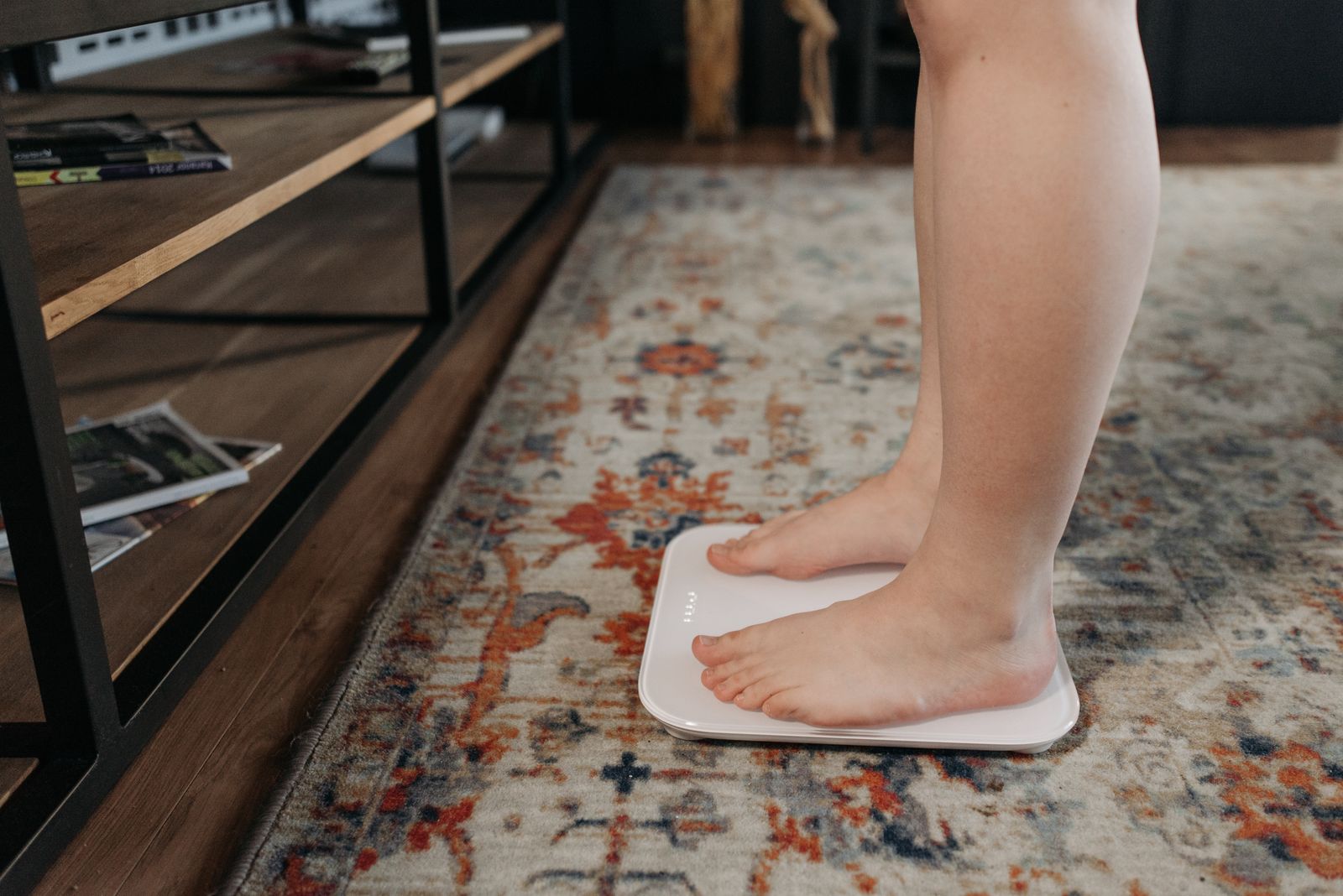
Monday morning. You step on the scale before coffee, the way you have for weeks, and there it is again: the exact same number as last Monday. And the Monday before that. You’ve packed the lunches, skipped the drive-thru, logged the walks. You stand there in the cold bathroom wondering what you’re doing wrong.
Here’s the honest answer: probably nothing. A stall doesn’t mean you failed. It means your body changed, and now your plan needs to change with it. Let’s figure out what’s going on and what to adjust, without starving yourself or starting over.
Quick answer: A weight loss plateau happens when the calories you burn match the calories you eat, often because a smaller body (with a little less muscle) needs less energy. To break it, honestly recheck your portions, add strength training and daily movement, protect your sleep, and trim calories modestly, never below about 1,200 a day.
Key Takeaways
- Plateaus are normal. Mayo Clinic says they eventually happen to everyone who tries to lose weight.
- The main causes are a lower calorie need at your new weight, some muscle loss, and small habits that quietly loosen over time.
- Strength training, more everyday movement and better sleep often move the needle before a bigger calorie cut does.
- If you cut calories, cut modestly. Going under about 1,200 a day tends to backfire with constant hunger.
- Sometimes a plateau is a new normal worth celebrating. Even modest weight loss improves health.
What is a weight loss plateau, and is it normal?
A weight loss plateau is a stretch where your weight stops changing even though you’re still following your plan. It’s not a sign that you’re broken. According to Mayo Clinic, being stuck at a plateau eventually happens to everyone who tries to lose weight, and most people are surprised by it because they’re still eating carefully and exercising.
Part of the surprise comes from how fast the first few weeks go. When you first cut calories, your body taps its glycogen stores, a form of stored carbohydrate that holds water. That early drop is mostly water, and it’s temporary. When the pace slows to the steadier rate of actual fat loss, it can feel like everything stopped.
Why does weight loss stop even when you’re doing everything right?
Three things usually stack up:
- A smaller body burns less. As you lose weight, you lose some muscle along with fat, and your metabolism declines. The same calories that once created a deficit now just maintain you.
- Your body pushes back. Research on The Biggest Loser contestants found their metabolism slowed significantly after major weight loss, a response called metabolic adaptation. You don’t need to be on TV for your body to defend its weight a little.
- Habits drift. Portions grow slightly, the weekend becomes Friday through Sunday, the walk gets skipped when it rains. Mayo Clinic notes that this off-and-on loosening of rules contributes to plateaus. It’s human, not a character flaw.
How do you know if you’ve actually hit a plateau?
Daily weight bounces around with water, salt, hormones, sleep and what you ate last night. One stuck week isn’t a plateau. Before you change anything, check these:
- Look at the trend, not the day. Compare weekly averages. Three or four weeks with no downward trend is a reasonable signal that something needs adjusting.
- Measure more than weight. Check your waist with a tape measure, notice how your jeans fit, and track your strength. Progress sometimes shows up there first.
- Be honest about the last month. Has life been unusually stressful, short on sleep, or full of celebrations? That’s context, not failure.
How do you break a weight loss plateau? 7 steps that work
Change one or two things at a time so you can tell what’s helping. Start at the top; the first steps cost the least.
1. Audit one normal week
Log everything you eat and drink for three to seven days, including weekends, coffee add-ins, cooking oil and the bites off your kids’ plates. You’re not hunting for guilt. You’re looking for the two or three spots where portions quietly crept up.
2. Add (or level up) strength training
Mayo Clinic recommends adding exercises such as weightlifting to build muscle, which helps you burn more calories. The CDC’s guidelines call for muscle-strengthening activity at least two days a week that works all major muscle groups. A simple 3-day full-body dumbbell workout covers that and then some. If you already lift, add a little weight or one more set.
3. Move more outside your workouts
Your 45-minute workout is a small slice of your day. The other hours matter too. Mayo Clinic suggests thinking outside the gym: walk more, drive less, do yard work or a vigorous cleaning session. A daily walk is the easiest lever here, and our walking for weight loss plan shows you how to build it step by step.
4. Build meals around protein and plants
If you’re going to eat a little less, make sure what you do eat is filling and supports the muscle you’re trying to keep. Anchor each meal with a protein source and a generous serving of vegetables or fruit. Mornings are where many busy people fall short, so start with one of these high protein breakfast ideas.
5. Trim calories modestly, not drastically
Your new, lighter body needs fewer calories, so a small adjustment may be needed. Mayo Clinic advises not going below 1,200 calories a day, because that may not be enough to keep you from constant hunger, which raises the risk of overeating. Think one smaller portion or one swapped snack, not a crash diet.
6. Protect your sleep
Short sleep shifts your hunger hormones. The Sleep Foundation explains that sleep loss is tied to more ghrelin (which drives hunger) and less leptin (which signals fullness), and that losing sleep while dieting can reduce weight loss and encourage overeating. If your nights are short, fixing them may break the plateau faster than any workout. Not sure what you need? Start with how much sleep you really need.
7. Turn down the stress
Stress makes everything harder at once: late-night snacking, skipped workouts, restless sleep. You can’t delete the stress in your life, but you can build small release valves: a 10-minute walk after hard meetings, a phone-free lunch, a firm end to the workday. Our guide on how to reduce stress from work has practical ones.
Should you eat less or exercise more to break a plateau?
Either can work, because you need to either burn more or take in a little less. Mayo Clinic points out that the approach that worked at first may maintain your loss but won’t lead to more. For most busy people, we suggest starting with movement and sleep, because they rarely leave you hungry and miserable. Mayo also notes that at least 300 minutes of moderate activity a week can help with weight loss and keeping it off, so if you’re at 150, there’s room to grow gradually.
Make it fit your life: a 2-week plateau reset for busy people
You don’t need a new program. You need a short, focused experiment. Here’s one that fits around work, kids and real life:
| Days | Focus | What to do |
|---|---|---|
| 1 to 3 | Audit | Log food, drinks, steps and sleep. Change nothing yet. |
| 4 to 7 | Fix the leaks | Adjust the two or three biggest portion creeps you found. |
| 4 to 14 | Strength | Two or three 20- to 30-minute strength sessions per week. |
| 4 to 14 | Steps | Add 1,000 to 2,000 steps to your daily average. |
| 4 to 14 | Sleep | Set a lights-out time 30 minutes earlier, and keep it on weekends. |
| 14 | Review | Compare weekly averages, measurements and energy. Keep what helped. |
Two weeks isn’t long enough to judge fat loss perfectly, but it’s long enough to know whether your habits are back on track. Give the changes another two to four weeks before deciding they don’t work.
What if your plateau is your new normal?
Sometimes a plateau is your body telling you it’s found a sustainable weight for the life you’re living right now. Mayo Clinic suggests asking yourself whether you’re satisfied with your current weight, and if you can’t eat less or move more, revisiting your goal. That’s not giving up. The CDC notes that even a 5% weight loss can improve blood pressure, cholesterol and blood sugar. If you’ve done that, you’ve already changed your health.
Plateaus can also feel stickier as life stages change. If you’re in your 40s or beyond, read our honest take on losing weight after 40. And if what you really want is a calmer, less rule-heavy approach, try these ideas for how to lose weight without dieting.
Frequently Asked Questions
How long does a weight loss plateau last?
There’s no fixed timeline. A plateau can last a few weeks or much longer, depending on whether anything changes. If you adjust your habits, such as adding strength training, more daily steps or better sleep, many people see the trend start moving again within a few weeks.
Should I eat less to break a weight loss plateau?
Possibly, but only modestly. A lighter body needs fewer calories, so a small cut can help. Mayo Clinic advises staying above about 1,200 calories a day, because eating less than that often leads to constant hunger and overeating.
Can strength training help break a plateau?
Yes. Building muscle helps you burn more calories, and it protects the muscle you might otherwise lose while dieting. Aim for strength training that works all major muscle groups at least two days a week, gradually adding weight or sets.
Can poor sleep cause a weight loss plateau?
It can contribute. Sleep loss is linked to higher levels of the hunger hormone ghrelin and lower levels of leptin, which signals fullness. The Sleep Foundation notes that losing sleep while dieting can reduce weight loss and encourage overeating.
When should I talk to a doctor about a weight loss plateau?
If you’ve made consistent changes for several weeks and nothing is moving, talk with your doctor or a registered dietitian. They can check for medical factors, review medications that may affect weight, and help you set a realistic goal.
So, next Monday, when you step on that scale in the cold bathroom, try something different. Look at the number as one data point, not a verdict. Then look at the rest of the picture: the jeans that fit better, the stairs that don’t wind you, the habits you’ve held onto for weeks. That’s the stuff that breaks plateaus, and it’s already yours.
If you want a plan that bends when life does, H Klub Fitness coaching is built for exactly that.
This article is for general education and isn’t medical advice. Talk with your doctor before starting a new exercise, nutrition, or mental-health plan.