
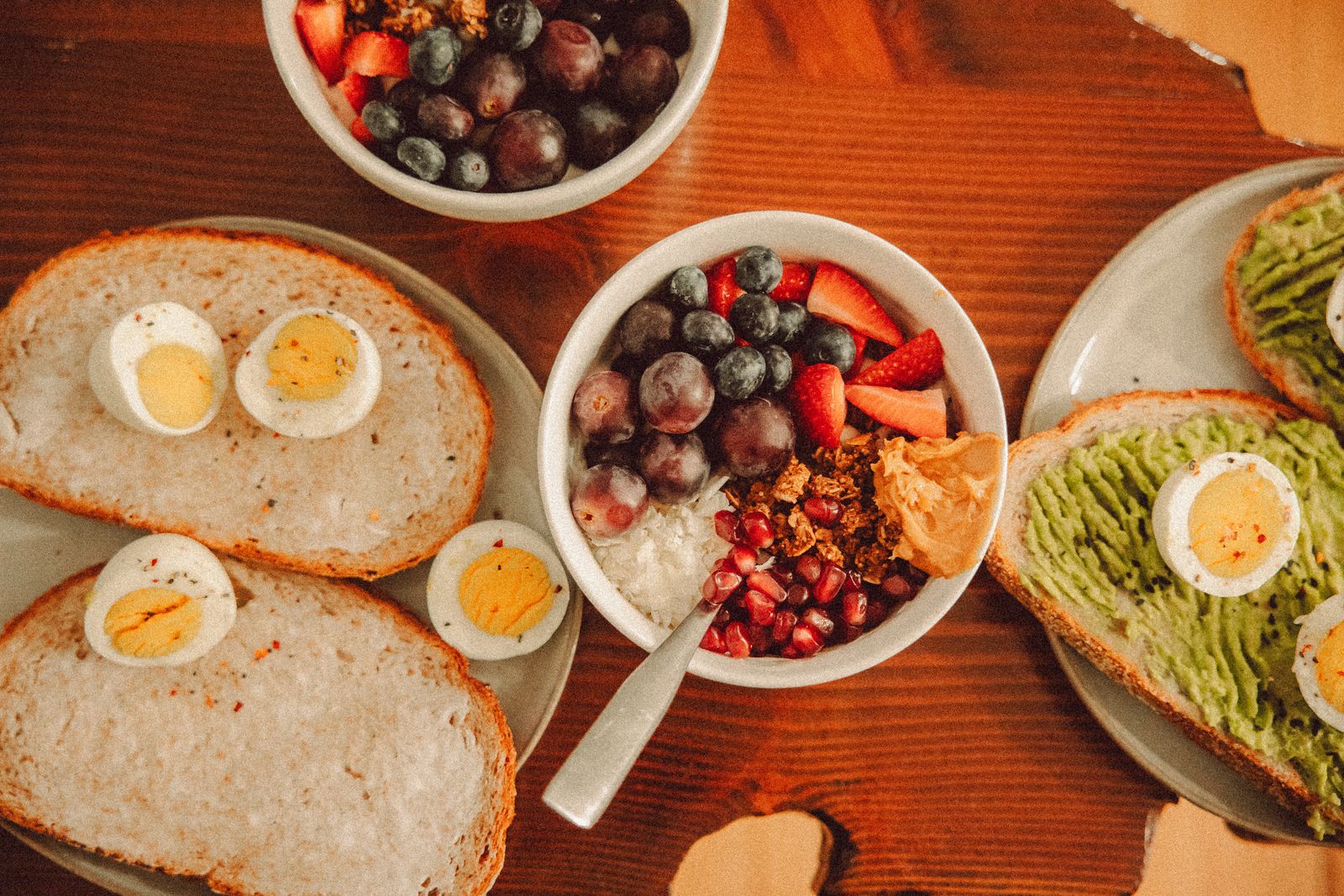
It’s 6:52 a.m. One of your toddler’s shoes is on his foot. The other one is somewhere in the house, possibly the dishwasher. Your breakfast so far is the corner of a waffle he didn’t finish and a coffee you’ve reheated twice.
By 10:15 you’re standing in front of the break room donut box like it owes you money. You’re not weak. You’re running on empty. The fix isn’t more discipline. It’s a breakfast with enough protein to carry you to lunch, and it doesn’t have to take longer than finding that shoe.
Quick answer: A high protein breakfast has roughly 20 to 30 grams of protein. Easy ways to hit that: a Greek yogurt bowl (about 25 grams), three make-ahead cottage cheese egg bites (about 25 grams), a yogurt-and-milk smoothie (about 24 grams), Greek yogurt overnight oats (about 23 grams), or a tofu scramble (about 20 grams).
Key Takeaways
- Aim for about 20 to 30 grams of protein at breakfast; your needs depend on age, size, and activity.
- In a small study, a 35-gram protein breakfast boosted fullness and cut evening high-fat snacking compared with a 13-gram cereal breakfast.
- Make-ahead options like egg bites, overnight oats, and freezer burritos are the busy-morning cheat code.
- No eggs? Greek yogurt, cottage cheese, tofu, and milk get you there.
- Pair protein with fiber, and keep bacon and sausage occasional.
How much protein should you eat at breakfast?
Cleveland Clinic dietitians suggest about 20 to 30 grams of protein at breakfast, adjusted for factors like age and activity level. That’s a meaningful jump for a lot of us. In the study below, the “normal” cereal breakfast had just 13 grams.
You don’t need a food scale. Build breakfast around one protein anchor (Greek yogurt, cottage cheese, eggs, tofu, or milk), add a protein “booster” (seeds, nut butter, cheese, beans), plus something with fiber. Every idea below follows that formula.
One caution: bacon and sausage bring protein, but Harvard’s Nutrition Source links processed meats to higher risks of heart disease, type 2 diabetes, and some cancers. Keep them occasional.
Why does a high protein breakfast keep you full longer?
Protein helps you feel satisfied, and it has little effect on blood sugar, which may help reduce mid-morning carb cravings, according to the same Cleveland Clinic guidance. Pair it with fiber and healthy fats and the fullness lasts even longer.
Research backs this up, with honest limits. In a 2013 study in the American Journal of Clinical Nutrition, 20 teen girls with overweight or obesity who usually skipped breakfast tried three routines: skipping, a 13-gram-protein cereal breakfast, or a 35-gram-protein breakfast built on eggs and lean beef. The higher-protein breakfast increased fullness, lowered the hunger hormone ghrelin, and reduced evening snacking on high-fat foods. Total daily calories didn’t differ significantly, the group was small, and the study was funded by beef and egg industry groups. So treat it as encouraging, not as proof that protein melts pounds.
The practical takeaway: when breakfast holds, the whole day tends to get easier. A steadier mood at 10 a.m. and fewer frantic snack runs are wins worth celebrating, whatever the scale says.
What are the fastest high protein breakfasts?
All five take 5 minutes or less. Protein numbers are approximate and based on USDA FoodData Central values and typical labels, so check your brands.
1. Greek yogurt power bowl: about 25 grams
Top 1 cup plain Greek yogurt (about 23 grams) with 1 tablespoon chia seeds, a handful of berries, and a sprinkle of granola for crunch.
2. Cottage cheese toast with an egg: about 22 grams
Spread ½ cup cottage cheese on a slice of whole-grain toast, add sliced tomato and everything seasoning, and top with one fried or jammy egg.
3. The 3-minute smoothie: about 24 grams
Blend 1 cup milk, ½ cup plain Greek yogurt, 1 tablespoon peanut butter, and half a frozen banana. Pour it into a lidded cup for the commute.
4. Microwave mug scramble: about 23 grams
Whisk 2 eggs, ¼ cup liquid egg whites, and 2 tablespoons shredded cheese in a large mug. Microwave in 30-second bursts, stirring between each, until the eggs are completely set with no runny parts.
5. Peanut butter toast and a glass of milk: about 23 grams
Two slices of whole-grain bread with 2 tablespoons peanut butter, plus 1 cup of milk. Not fancy, very effective.
What high protein breakfasts can you make ahead?
Thirty minutes on the weekend buys you five calm mornings.
6. Cottage cheese egg bites: about 25 grams for three
Our signature make-ahead breakfast. Blended cottage cheese makes them velvety and adds protein. Full recipe below.
7. Protein overnight oats: about 23 grams
In a jar, stir together ½ cup rolled oats, ½ cup milk, ½ cup plain Greek yogurt, 1 tablespoon chia seeds, and berries. Refrigerate overnight and eat cold or warmed.
8. Freezer breakfast burritos: about 24 grams each
Fill an 8-inch whole-wheat tortilla with 2 scrambled eggs, ¼ cup black beans, 2 tablespoons cheese, and salsa. Wrap in foil and freeze. Reheat until steaming hot all the way through.
9. Cottage cheese oat pancakes: about 20 grams per serving
Blend 1 cup cottage cheese, 2 eggs, and ½ cup rolled oats until smooth, then cook like regular pancakes. Makes 2 servings. Freeze the extras and pop them in the toaster on weekdays.
What are good high protein breakfasts without eggs?
Allergic, vegan-leaning, or just tired of eggs? The yogurt bowl, smoothie, overnight oats, and peanut butter toast above are all egg-free. Here are three more:
10. Tofu veggie scramble: about 20 grams
Crumble half a 14-ounce block of firm tofu into a hot skillet with a little oil, a pinch of turmeric, salt, pepper, spinach, and peppers. Tofu protein varies a lot by firmness and brand, so check your label.
11. Smoked salmon and cottage cheese toast: about 20 grams
Top a slice of whole-grain toast with ¼ cup cottage cheese, 2 ounces smoked salmon, cucumber, and dill. It’s on the salty side, so make it a weekend treat if you’re watching sodium.
12. Greek yogurt chia pudding: about 23 grams
Stir 3 tablespoons chia seeds into ¾ cup soy milk and ½ cup plain Greek yogurt. Refrigerate overnight, then top with fruit.
Which high protein breakfast is right for your morning?
| Breakfast | Protein (approx.) | Hands-on time | Make-ahead? | Egg-free? |
|---|---|---|---|---|
| Greek yogurt power bowl | 25 g | 3 min | No | Yes |
| Cottage cheese egg bites (3) | 25 g | 1 min to reheat | Yes | No |
| 3-minute smoothie | 24 g | 3 min | No | Yes |
| Freezer breakfast burrito | 24 g | 2 min to reheat | Yes | No |
| Microwave mug scramble | 23 g | 4 min | No | No |
| PB toast + glass of milk | 23 g | 4 min | No | Yes |
| Protein overnight oats | 23 g | None in the a.m. | Yes | Yes |
| Greek yogurt chia pudding | 23 g | None in the a.m. | Yes | Yes |
| Cottage cheese toast + egg | 22 g | 5 min | No | No |
| Cottage cheese oat pancakes | 20 g | 2 min to reheat | Yes | No |
| Tofu veggie scramble | 20 g | 10 min | Partly | Yes |
| Smoked salmon + cottage cheese toast | 20 g | 4 min | No | Yes |
How do you make cottage cheese egg bites?
This is the breakfast for anyone who says, “I don’t have time to eat in the morning.” Bake 12 on Sunday, and breakfast becomes a 60-second microwave job.
Prep time: 10 minutes · Cook time: 25 minutes · Total: 35 minutes · Makes: 12 egg bites (4 servings of 3) · Per serving (3 bites): about 25 grams protein and about 290 calories, calculated from USDA FoodData Central values.
Ingredients
- 10 large eggs
- 1 cup low-fat (2%) cottage cheese
- ½ cup shredded sharp cheddar cheese
- 1 cup baby spinach, chopped
- ½ cup diced red bell pepper
- ½ teaspoon salt
- ¼ teaspoon black pepper
- Cooking spray (or use a silicone muffin pan)
Instructions
- Heat the oven to 350°F. Generously grease a 12-cup muffin tin with cooking spray, or use a silicone pan.
- Blend the eggs, cottage cheese, salt, and pepper for 20 to 30 seconds, until completely smooth. This is the secret to the velvety texture.
- Divide the spinach, bell pepper, and cheddar evenly among the 12 cups.
- Pour the egg mixture over the vegetables, filling each cup about three-quarters full.
- Bake for 20 to 25 minutes, until the centers are set and no longer jiggle. Egg dishes should reach 160°F on a food thermometer.
- Cool for 5 minutes, run a thin knife around each bite, and pop them out. They will deflate slightly as they cool; that’s normal.
- Refrigerate in an airtight container for up to 3 to 4 days, or freeze for up to 2 to 3 months. Reheat in the microwave for 30 to 60 seconds, until hot all the way through.
Food safety notes come from FoodSafety.gov: egg dishes should be cooked to 160°F, and baked egg casseroles keep 3 to 4 days refrigerated or 2 to 3 months frozen, per its cold food storage chart.
Swap ideas: turkey sausage and feta, mushroom and Swiss, or black beans, pepper jack, and salsa. Keep the egg-to-cottage-cheese ratio the same and the bites turn out every time.
How do you fit a high protein breakfast into a hectic morning?
The best breakfast is the one you’ll actually eat on a Tuesday. A few ways to make it stick:
- Use the weekend for weekday wins. Bake egg bites and set up three jars of overnight oats in the same 35 minutes. Our healthy meal prep plan for the week folds breakfast right into one Sunday session.
- Attach breakfast to something you already do. Smoothie goes in the blender while the coffee brews. Small anchors like that are the backbone of a healthy morning routine that survives real life.
- Not hungry at 6 a.m.? That’s okay. Pack the overnight oats or egg bites and eat at 8:30. Breakfast doesn’t have to happen at the kitchen table.
- Bridge the gap. If lunch is late, a mid-morning option from our list of high protein snacks keeps the 11 a.m. crash from turning into a vending-machine raid.
- Drink something besides coffee. A glass of water alongside breakfast is an easy win; here’s how to drink more water without forcing it.
- Midlife changes the game. If your body isn’t responding the way it used to, our guide to losing weight after 40 goes deeper on what changes in midlife.
Frequently Asked Questions
Is 30 grams of protein for breakfast too much?
For most healthy adults, no. Cleveland Clinic dietitians suggest about 20 to 30 grams at breakfast as a general target, adjusted for your age and activity level. If you have kidney disease or another medical condition, ask your doctor what amount is right for you.
What is a high protein breakfast without eggs?
A Greek yogurt bowl (about 25 grams), a yogurt-and-milk smoothie (about 24 grams), overnight oats made with Greek yogurt (about 23 grams), peanut butter toast with a glass of milk (about 23 grams), a tofu scramble (about 20 grams), and Greek yogurt chia pudding (about 23 grams) all skip eggs entirely.
What is the quickest high protein breakfast?
A Greek yogurt bowl or a 3-minute smoothie. Both need no cooking and land around 24 to 25 grams of protein. If you prep on the weekend, reheating three egg bites takes under a minute.
Can you meal prep high protein breakfasts?
Yes. Egg bites, overnight oats, chia pudding, cottage cheese pancakes, and breakfast burritos all prep well. Baked egg dishes keep 3 to 4 days in the refrigerator or 2 to 3 months in the freezer, according to FoodSafety.gov.
Is a high protein breakfast good for weight loss?
It may help you feel fuller and snack less later. In one small study, a 35-gram protein breakfast reduced evening snacking on high-fat foods, though total daily calories didn’t change significantly. Think of it as a tool for steadier energy and appetite, not a magic fix.
Are bacon and sausage good high protein breakfast foods?
They do have protein, but they’re processed meats, which Harvard’s School of Public Health links to higher risks of heart disease, type 2 diabetes, and some cancers. Keep them occasional and lean on eggs, dairy, beans, tofu, fish, or poultry most days.
Picture tomorrow at 6:52. The shoe is still missing (check the dog bed). But there are three egg bites warming in the microwave, and you eat them standing at the counter while you hunt. At 10:15 you walk right past the donut box, not because you’re white-knuckling it, but because you’re simply not starving. That’s the whole point.
You don’t need a perfect morning. You need one good default. If you want a plan that bends when life does, H Klub Fitness coaching is built for exactly that.
This article is for general education and isn’t medical advice. Talk with your doctor before starting a new exercise, nutrition, or mental-health plan.